Revisiting the PACT Act: Understanding its Impact

In August 2022, the Sergeant First Class Heath Robinson Honoring Our Promise to Address Comprehensive Toxics Act, or PACT Act, became law. It increases health care and benefits for millions of veterans affected by toxic exposure while serving.
Wounded Warrior Project® (WWP) was at the forefront of the fight to pass this important legislation. In the three years since, nearly two million veterans have had PACT Act-related claims approved by the Department of Veterans Affairs (VA).
The PACT Act gives veterans exposed to toxicants like burn pits, Agent Orange, and other environmental hazards a new path to benefits. It also opens the door for more conversation about the long-term health effects of military service.
The Human Cost of Service
As a teammate with WWP™ and an Army veteran, Shawn Morgan knew about toxic exposure and the dangers of deployment. But during his multiple tours in Iraq, he didn’t realize that the fumes he was around would impact his life many years later.
Last year, Shawn started to struggle with his breathing, and even moving became difficult. On his daughter’s birthday, he was so ill that his brother rushed him to the emergency room. The doctors diagnosed Shawn with acute myeloid leukemia, and he began chemotherapy.

Army veteran Shawn Morgan was diagnosed with acute myeloid leukemia in 2024. He's a strong proponent for regular checkups and screenings, especially for veterans who may have been exposed to burn pits and other toxic substances.
Because of his familiarity with the PACT Act, Shawn immediately connected his diagnosis to his deployments. But even with his knowledge, he leaned on WWP to help him navigate the benefits process.
“We're seeing an increase in younger veterans having these blood cancers and stuff like that because of toxic exposure,” Shawn said. “I couldn't imagine not having that assistance, and there are tons of veterans out there who are probably trying to take this journey on their own and are probably struggling when there are all kinds of help out there that they can reach out for.”
Shawn was already rated 100% by VA for disability, but he still worked with the WWP Benefits Services team to get his cancer service connected, meaning his illness was directly related to his military service. At the time, leukemia was not on the list of presumptive conditions, but Shawn’s WWP Benefits service officer helped get his claim approved. Weeks later, the VA added leukemia as a presumptive condition, meaning that his current diagnosis and record of service were sufficient to establish a connection. Shawn realized that establishing a service connection early was still important, though. It ensured he could access future care should his cancer return, and it protected his family with benefits if he didn’t survive the cancer.
“It’s a harsh reality of facing some of these cancers. But if I didn't have it service-connected, there are benefits my family could be losing out on because I didn't file that claim,” Shawn said.
“I don't know if we've seen the full totality of the importance of [the PACT Act]. I think it's going to be even more important. As we get older, I think that number is going to continue to grow.”
Shawn’s diagnosis has made him a vocal advocate for awareness.
“In the military, you suck it up, right? But this isn't stuff to play around with. These are life-threatening illnesses, so go see your doctor, make sure you're doing your regular screenings, and then be aware of what's available to you when it comes to your benefits. Reach out to somebody, an advocate who can help you. Don't be afraid to ask for help.”

The WWP Benefits Services team can help veterans navigate filing for benefits under the PACT Act.
The PACT Act and VA Benefits
As more veterans begin to face long-term health effects from their service, understanding and accessing PACT Act benefits is more important than ever. But navigating the process can be overwhelming. That’s where veterans service organizations (VSOs) like WWP can step in with guidance, compassion, and real answers.
The WWP Benefits Services team shares some questions and answers about health care and disability benefits under the PACT Act.
Top 3 Questions You Need to Know
1. Will new conditions and locations be added to the PACT Act?
New conditions/locations undergo continual review. Under the PACT Act, the National Academies of Sciences, Engineering, and Medicine oversee the analysis of health data to identify additional presumptive conditions and locations.
2. How should I be monitoring my health and benefits if I am already service-connected for a disability under the PACT Act?
Review any documentation received from the VA regarding your disability compensation. This includes any notifications related to the conditions covered under the PACT Act. If there are responsibilities you need to address, VA will inform you of those.
3. Have PACT Act benefits been impacted by government cuts?
PACT Act benefits are budgeted and congressionally approved, which means the government will fulfill its promise under the law to provide compensation and health care to service members and veterans impacted by toxic exposure.
Additional FAQs
What does "presumptive condition" mean, and why is it important?
Presumptive condition, in the context of VA disability benefits, means the VA assumes a veteran's disability was caused by their military service, even if there’s no direct evidence.
Have more locations been added since the PACT Act became law?
Since the PACT Act became law on Aug. 10, 2022, the list of presumptive exposure zones has expanded beyond the locations initially covered. The VA also continues to evaluate additional locations for inclusion.
Will VA reduce PACT Act-related compensation if cancers are in remission?
The short answer is yes. If a veteran’s PACT Act-covered cancer is successfully treated and goes into remission, the VA may reduce compensation for that cancer. However, the VA will consider any lasting effects from cancer or its treatment, such as surgical scars, chronic complications, side effects from radiation, or other ongoing health issues like a feeding tube, colostomy bag, or digestive problems.
Are other conditions of toxic exposure checked by VA to see if they are improved (resulting in a reduction of compensation/benefits)?
It depends on the specific condition that is service-connected due to toxic exposure. For cancers that are not incurable, VA will regularly check for progress toward remission. For conditions like rhinitis, sinusitis, or asthma, which are considered “static,” VA typically does not follow up to see if symptoms improve. If a condition is not “static” but doctors believe treatment can reduce symptoms, VA will adjust the disability rating appropriately.
However, this question has many variables, so it would be best for a veteran to seek counsel from a veterans service organization, including the Wounded Warrior Project Benefits team.
If a veteran is rated at 100%, why should they apply for benefits related to the PACT Act?
Though a veteran may be 100% service-connected, if they’re diagnosed with a type of cancer covered under the PACT Act, they may be entitled to a higher level of compensation known as Special Monthly Compensation. Veterans should consult a VSO before submitting a claim to understand how it could affect their benefits.
Further, if a PACT Act-covered cancer is unfortunately incurable, filing a claim is especially important, as it could affect survivor benefits for their loved ones or family.
Should veterans still file a claim if diagnosed with a condition not on the presumptive conditions list?
Yes, because even if the condition is not on the presumptive list, VA can still grant benefits for it if the veteran has acceptable proof of it and that it is related to their military service.
Additionally, VA may add conditions to the presumptive list. Veterans should still file a claim even if their condition is not on the list now, especially if they think it’s related to toxic exposure. Filing a claim creates a record of the condition, potentially preserves the effective date (if granted later), and allows for automatic reconsideration when new conditions get added. Veterans lose nothing by trying, and they’ll preserve their rights.
I filed for a type of cancer considered presumptive under the PACT Act, and the VA denied me. What do I do?
It's always best to get help from a VSO to understand a denial. A VA-accredited representative, including the Wounded Warrior Project Benefits team, can review the case, determine if the decision was correct, and help pursue an appeal if needed.
To find a VA-accredited representative, reach out to WWP or click here and enter your information.
What is a Toxic Exposure Risk Activity (TERA) and how does it apply to me?
TERA refers to any military activity, whether domestic or overseas, where service members may encounter hazardous substances such as asbestos, depleted uranium, etc. A medical professional must confirm the diagnosis and link the condition to that exposure. In events where you think this may apply to you, it's important to speak with a veterans service officer, such as the WWP Benefits team.
Can survivors or dependents of deceased veterans receive benefits under the PACT Act?
The short answer is yes, but consult with a VSO on how best to approach potential survivor benefits. There are VA-accredited representatives, including the WWP Benefits team, who can help you at no cost.
For example, if a survivor previously filed for dependency and indemnity compensation (DIC) for a PACT-Act-related condition that pre-dated the passing of the PACT Act and was denied, they can now reapply for DIC for the same condition under the PACT Act.
How does the WWP Benefits Services team help veterans who believe they have a condition tied to toxic exposure?
We strongly recommend that warriors do their homework before filing a claim. When veterans or their families reach out to us, our intake specialists will work tirelessly to educate warriors and their families on the potential of a toxic exposure-related claim covered under the PACT Act. With the required evidentiary support, the WWP Benefits Services team is positioned to ensure they receive equitable benefits on par with the severity of the condition(s).
From Diagnosis to Hope

Marine veteran Reese Howell, with his wife Sarah and their children, had his family's world upended when he was diagnosed with stage 4 cancer. The PACT Act helped him access the benefits he earned through his service.
Marine veteran Reese Howell’s world turned upside down when he was diagnosed with stage 4 cancer. As the father of two young children, he worried about what this devastating diagnosis would mean for his family.
“As a Marine, I had always prided myself on my strength, but nothing prepares you for the kind of fight where your enemy is inside you,” Reese said. “My world, and my family’s, shifted overnight. Suddenly, every moment became a question mark. How long did I have? How would we afford treatment? What would happen to my wife and our two kids if I couldn’t keep fighting?”
Amid the stress and uncertainty, hope arrived in the form of legislation.
“We had no idea how to access [PACT Act] benefits or whether I even qualified. That’s when Wounded Warrior Project stepped in,” Reese said. “They didn’t just offer encouragement, they offered clarity. They helped us understand exactly what the PACT Act meant for veterans like me. They guided us through the process, explained what conditions were now presumptive, helped us gather documentation, and made sure we submitted the right claims to the VA. Without them, we would’ve been lost in a sea of paperwork and red tape.”
The Howell family leaned on WWP for more than handling paperwork, though.
“The benefits alone don’t ease the emotional toll. Wounded Warrior Project wasn’t just there with resources; they showed up with people who understood. They connected me to other warriors walking the same path and offered counseling for my wife and children. We didn’t feel invisible anymore.”
More Than a Law — a Lifeline
The PACT Act is more than legislation; it’s a lifeline for veterans who’ve long carried the burden of toxic exposure from their service. For veterans like Shawn and Reese, it’s not just about compensation or health care. The PACT Act helps honor the full cost of service — not just injuries from the battlefield but those that may take years to emerge.
Passage of the PACT Act is not the end; it’s a beginning. As veterans continue to face complex health challenges, ongoing outreach, education, and advocacy remain critical. WWP stands ready to guide and support, ensuring no veterans slip through the cracks.
“We’re still on a hard road, but now we’re walking it with support,” Reese said. “The PACT Act gave us the benefits I earned through service. Wounded Warrior Project helped us find them. And for that, we’ll always be grateful.”
Find out more about how WWP advocates for veterans.
More information on PACT Act eligibility
Contact: — Paris Moulden, Public Relations, pmoulden@woundedwarriorproject.org, 904.570.7910
About Wounded Warrior Project
Wounded Warrior Project is our nation’s leading veteran services organization, focused on the total well-being of post-9/11 wounded, ill, or injured veterans. Our programs, advocacy, and awareness efforts help warriors thrive, provide essential lifelines to families and caregivers, and prevent veteran suicides. Learn more about Wounded Warrior Project.
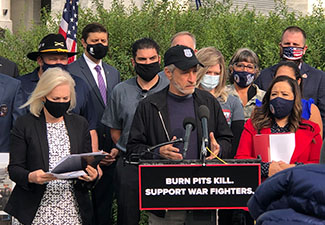
Wounded Warrior Project® (WWP) worked extensively to see the SFC Heath Robinson Honoring Our PACT Act become law. The goal was reached on Aug. 10, 2022, helping improve the lives of our...
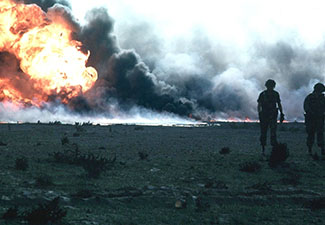
Army veteran Andrew Myatt did all the right things to take care of himself. He exercised, ate well, didn’t smoke or drink. After more than 20 years in the service, he’d developed a routine and...
Wounded Warrior Project encourages veterans exposed to burn pits, other toxins to enroll in VA health care Some of the wounds Army veteran Dan Nevins suffered from his time in combat are...

The Major Richard Star Act would allow veterans who were forced to medically retire due to combat or combat-related injuries to receive their disability compensation and full retirement pay without offset.